



What's Inside a Comforter? A Guide to Fibers and Filling
November 8, 2026 · La Vita Home Collection
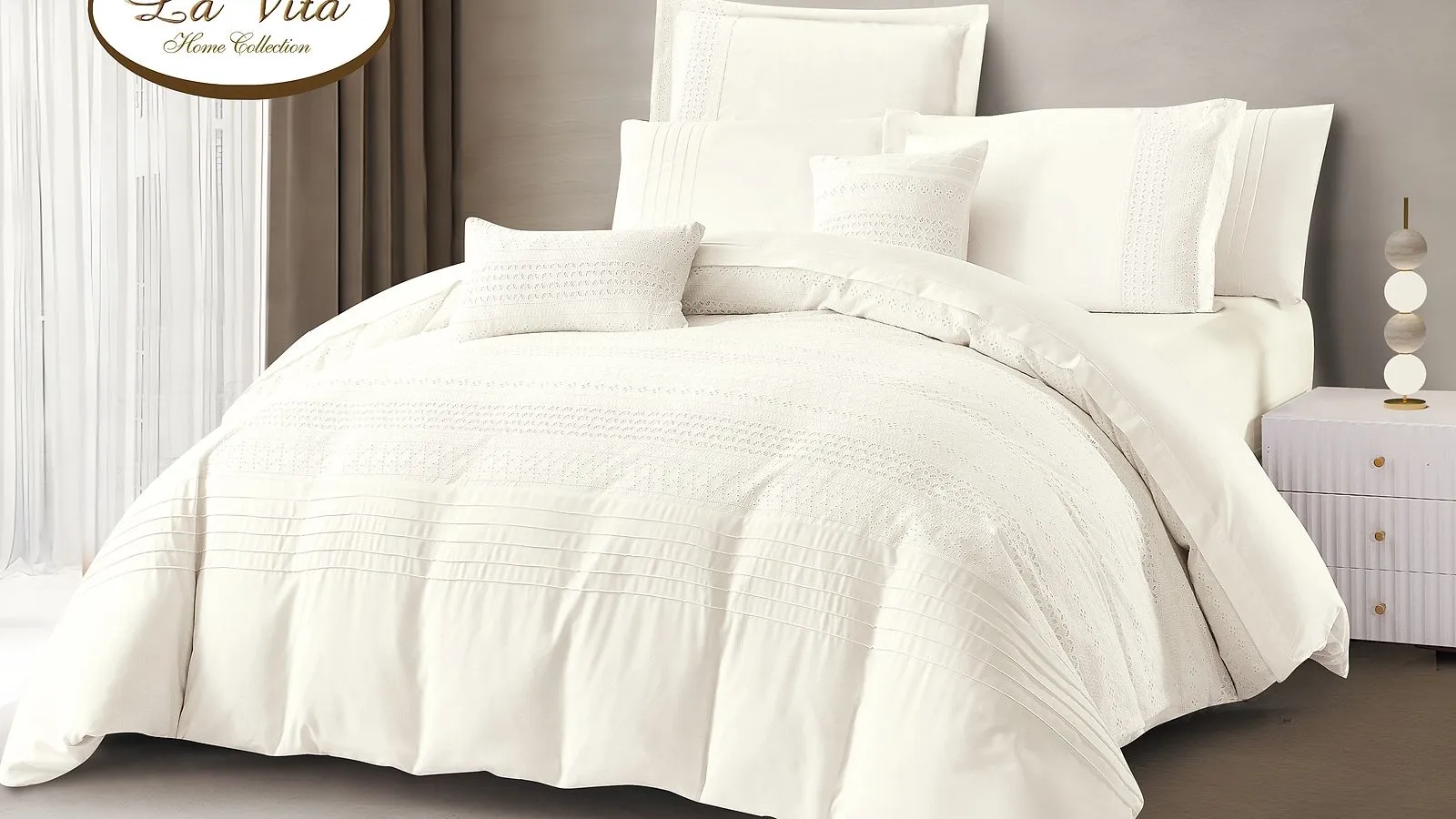
We see the outer fabric and fall in love with it, but it's what is inside that warms a comforter. What we feel as warmth is really air trapped within the filling. So the volume and structure of the filling matter as much as the material.
Synthetic Fiber
Most modern comforters use polyester fiber. It's light, lofts well, washes easily and resists moisture. Hollow fibers hold more air, providing greater warmth at less weight.
Cotton: Warm and Traditional
Old quilts were filled with cotton. Good cotton absorbs moisture and has a familiar feel, but it's heavier, slowly compacts and needs re-carding every few years. It's not easy to wash, either.
Wool
Wool provides a gentle, pleasant warmth and regulates moisture well. It needs more careful maintenance and protection from moths.
Feathers and Down
Down is soft and light and among the most expensive fillings. Some people are sensitive to it, and washing and drying it requires care.
Stitching Looks After the Filling
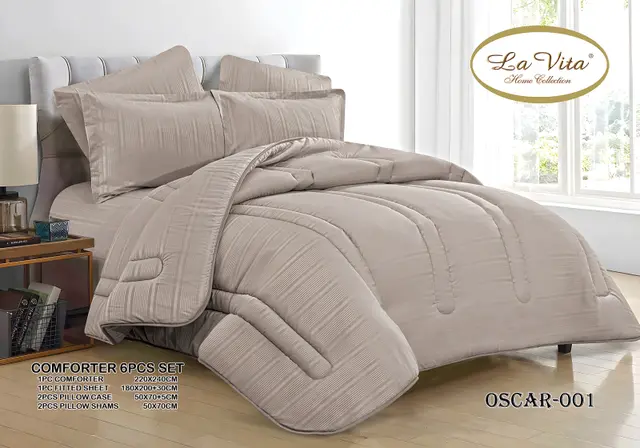
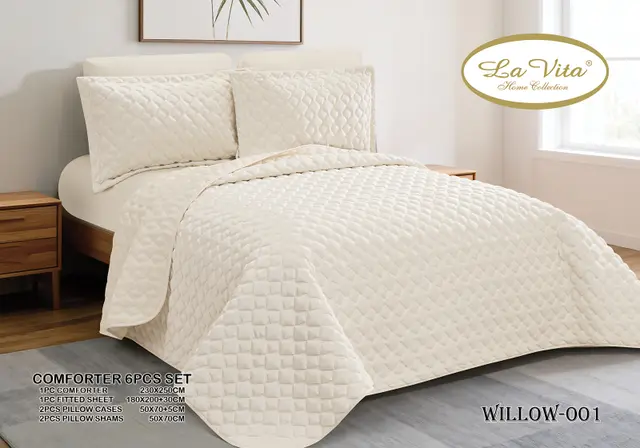
Quilting isn't just decoration. Its lines hold the filling in place so that after a while the fibers don't all end up in one corner. A comforter with regular stitching keeps an even loft for longer.
How to Judge
- Fold the comforter and let go; it should open and regain its volume.
- Press the surface with your hand; the filling shouldn't be lumpy or uneven.
- Feel the edges; the volume should continue close to the edge.
Heavy Doesn't Mean Warm
Some people confuse a heavy comforter with warmth. In fact, a light, lofty comforter can be warmer than a heavy, compressed one. Of course, if weight on your body feels calming, that's a perfectly respectable preference.
Frequently Asked Questions
How do I keep a comforter's filling fresh?
Shake the comforter from time to time and leave it in shade and open air so its volume recovers.
Which is better for people with allergies?
Washable synthetic fibers usually stay clean more easily. For serious allergies, consult a doctor.
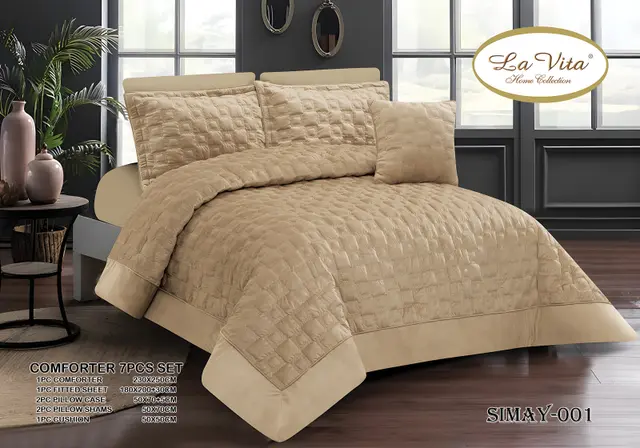
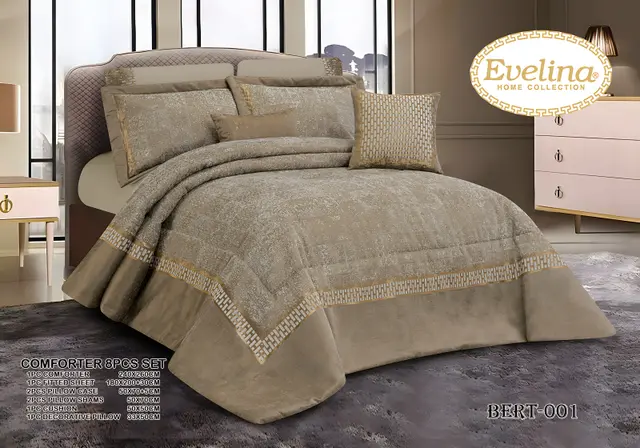
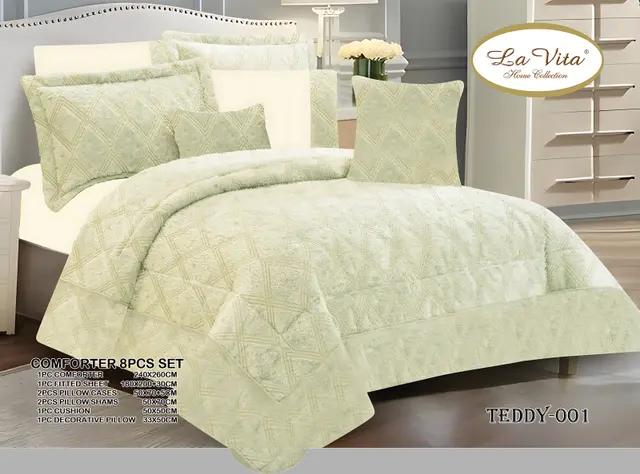
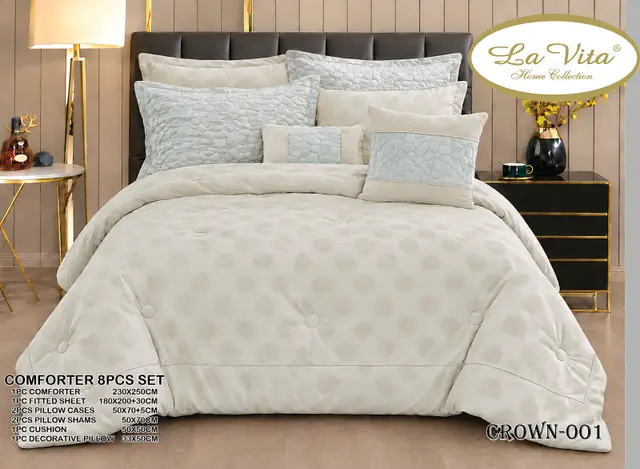
Suggested Designs
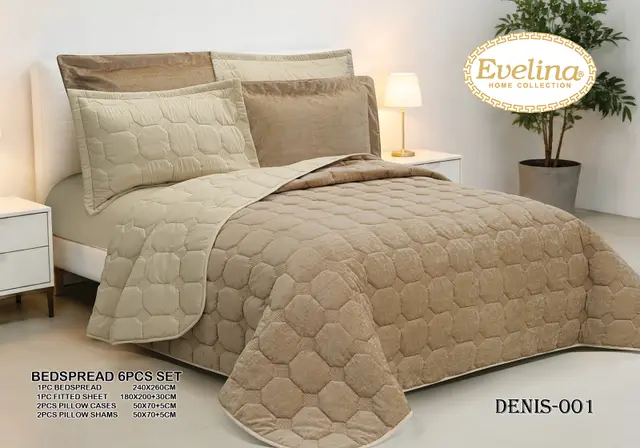
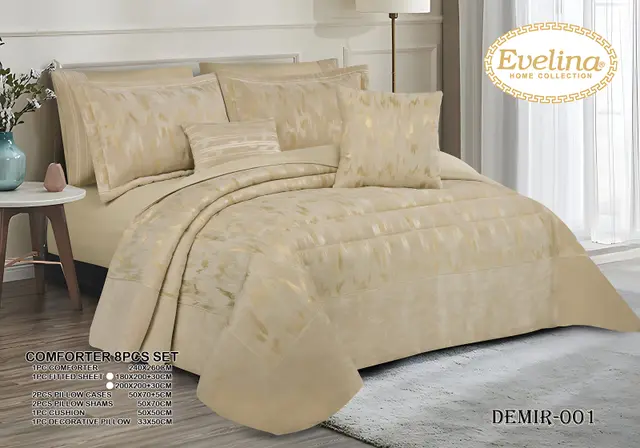
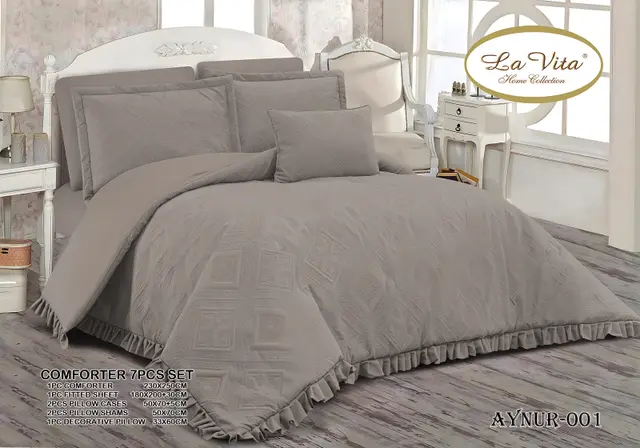
More Articles
Room Temperature and Good Sleep: Why a Little Cool Beats Warm
The body needs to cool down for sleep. The role of room temperature, comforter and sheet layers and simple evening habits in deeper sleep.
The Art of Layering Textures: Velvet, Chenille and Cotton Together
A beautiful bed isn't only about color; it's about texture too. Learn to combine shiny, raised and matte fabrics on one bed to create depth and richness.
Musty Comforters and Closets: How to Restore Freshness to Bedding
What causes the musty smell in stored comforters, home methods for freshening fabrics, and storage tricks that keep the odor from coming back.