




Memory Foam Pillows
Pillows in economy, luxury and memory-foam styles.
Memory Foam Pillows
Memory foam pillows have replaced feather and fiber pillows in many homes, not because of a trend but because the foam itself behaves differently. This guide explains what memory foam is, how it differs from ordinary pillows, which types exist and how to choose one for the way you sleep.
What is memory foam?
Memory foam is a viscoelastic polyurethane foam first developed in the 1960s for a NASA project and later adopted for mattresses and pillows. Its defining trait is a slow response: it softens under the warmth and weight of your head, takes the shape of your head and neck, and slowly returns to its original form when the pressure is gone, as if it "remembers" you.
How it differs from fiber and feather pillows
Fiber and feather fillings shift under your head and change shape through the night, which is why many people wake up to plump their pillow. Memory foam keeps its shape and only sinks where your head presses, so the pillow's height stays the same all night. Foam doesn't clump or flatten the way fibers do, and it keeps its volume for years.
Why it feels more comfortable
Your head's weight is spread over a larger area instead of a few points, the gap under your neck is filled, and your head and neck stay in line with your spine. Foam is silent and doesn't lose its shape when you turn over. Many people who wake up with a stiff neck notice the difference within the first weeks; if neck pain persists, it's best to see a doctor.
Types of memory foam pillow
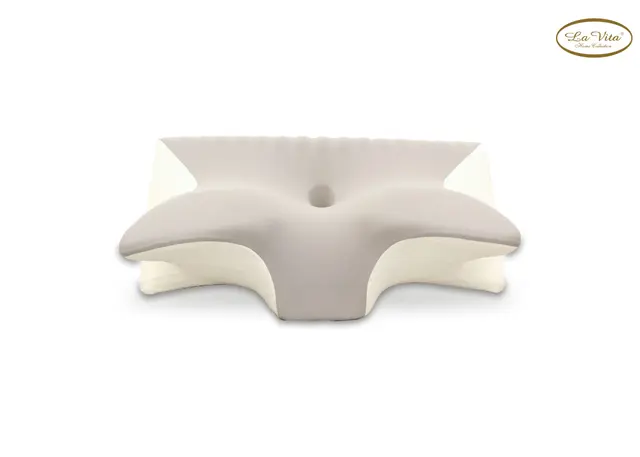
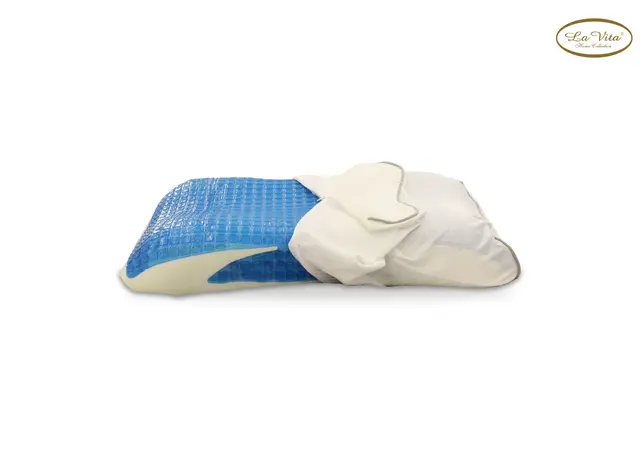
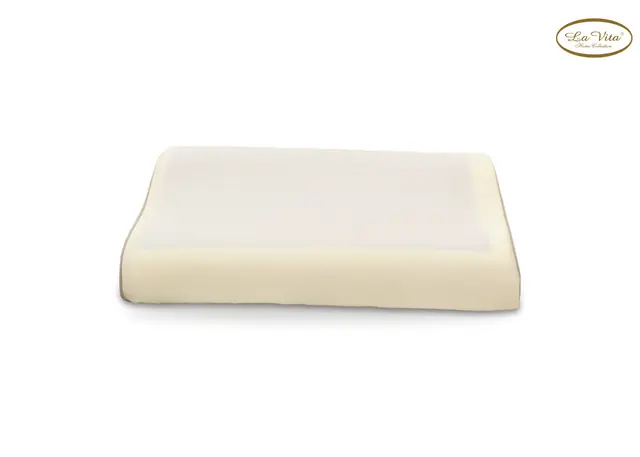
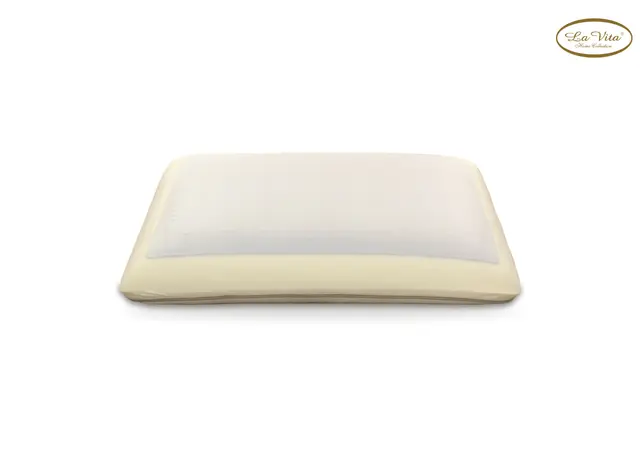
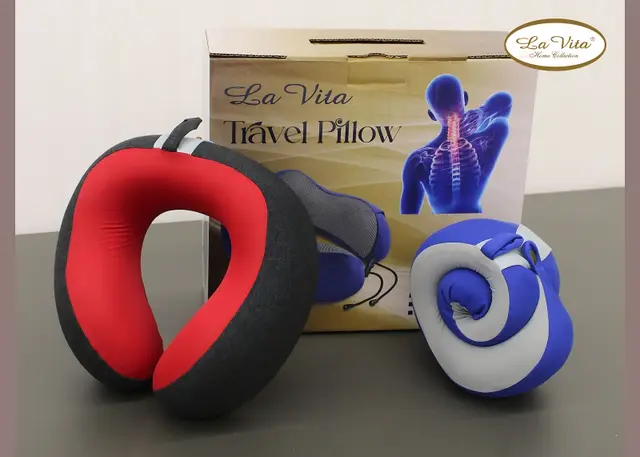
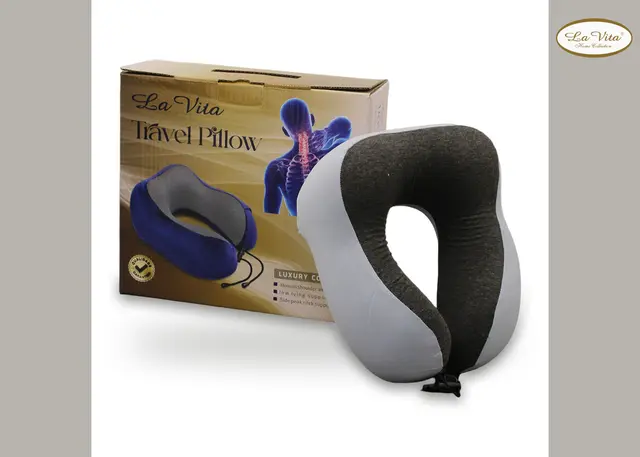
Classic: a flat, even shape that feels like a familiar pillow. Contoured (ergonomic): two edges of different heights with a dip between them; the higher edge supports the neck. Butterfly: a center hollow for the head and two side wings that make room for the shoulder and arm when sleeping on your side. Neck and travel: extra neck support in bed, on the road and while resting. Gel: a gel layer on the foam surface that feels cooler.
Choosing by sleeping position
Side sleepers: the shoulder adds height between head and mattress, so a higher, slightly firmer pillow such as a contoured or butterfly model works well. Back sleepers: a medium height so the head doesn't tilt forward or back; a contoured pillow with the lower edge under the neck is a good choice. Stomach sleepers: a low, soft pillow, since this position strains the neck the most. If you change positions during the night, a classic medium-height pillow is a fair compromise.
Memory foam and heat
Dense foam retains some heat, which warm sleepers can feel. The answer is gel models and models with a cooling cover: gel absorbs and spreads surface heat faster, and cooling fabric feels cool against the skin.
The first days
A mild new-foam smell in the first few days is normal; air the pillow without its cover in the shade and it fades. Memory foam reacts to temperature, so it feels firmer in a cold room and softer in a warm one. If you're used to an ordinary pillow, give your body one to two weeks to adjust to the steady support.
Care
The foam core is not washable; the cover comes off and is washed in lukewarm water on a gentle cycle. Air the pillow in the shade now and then and keep it out of direct sunlight. Every model can be seen and tried at the La Vita store in Arian Bazaar, Tehran.